
Understanding Minnesota’s Lawn Care Regulations and Requirements


Introduction to Minnesota's Lawn Care Regulations
Understanding Minnesota's lawn care regulations is crucial for maintaining a lush and healthy lawn while ensuring compliance with state laws. Whether you're a seasoned gardener or a newcomer to lawn care, knowing the rules can save you time and money in the long run.
The state of Minnesota has outlined specific guidelines to ensure that lawn care practices are environmentally friendly and sustainable. These regulations focus on areas such as pesticide use, fertilizer application, and water conservation.
Pesticide Use Regulations
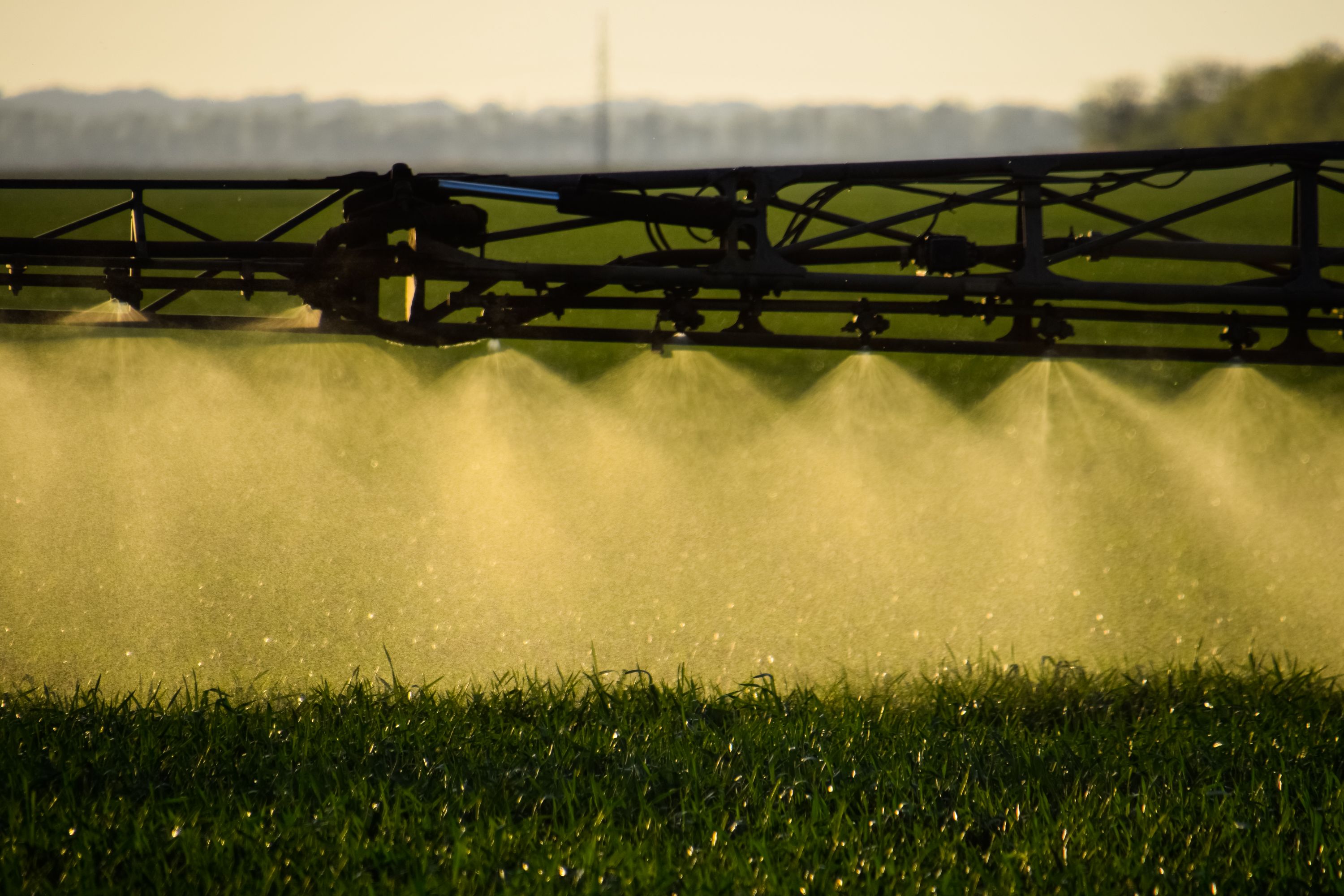
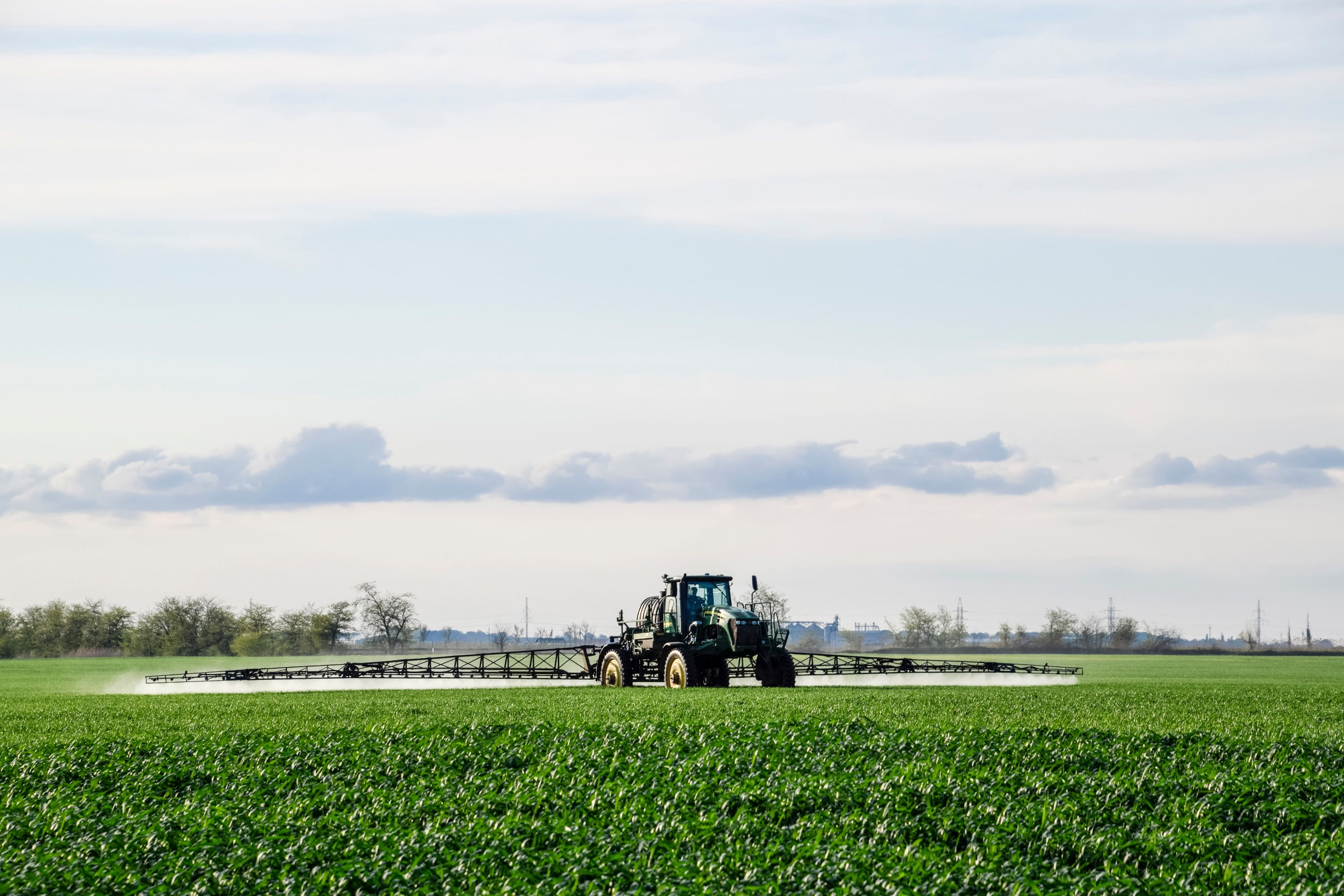
In Minnesota, the use of pesticides is regulated to protect the environment and public health. Anyone applying pesticides must follow the guidelines set by the Minnesota Department of Agriculture. This includes proper licensing and certification for commercial applicators.
To apply pesticides legally, you must also adhere to specific restrictions regarding timing and weather conditions. For instance, avoiding application during windy days can prevent drift and unintended exposure to non-target areas.
Licensing and Certification
For commercial lawn care services, obtaining the proper licensing is mandatory. The state requires that applicators complete a certification program to ensure they understand the safe and effective use of pesticides.
Fertilizer Application Guidelines
Fertilizer use in Minnesota is also subject to regulation. These guidelines are designed to minimize nutrient runoff into waterways, which can lead to pollution and algae blooms.
Residents and commercial applicators must follow best practices, such as soil testing before application and adhering to recommended application rates. Additionally, fertilizers containing phosphorus are restricted unless a soil test indicates a deficiency.
Soil Testing and Phosphorus Restrictions
Before applying phosphorus-based fertilizers, a soil test must be conducted to determine if there is a need. This helps in preventing excessive nutrient buildup that can harm local ecosystems.
Water Conservation Techniques
Water conservation is another critical aspect of lawn care in Minnesota. The state encourages practices that reduce water waste, such as choosing drought-resistant grass species and implementing smart irrigation systems.
Incorporating native plants and minimizing lawn size can also contribute to water conservation efforts, making your lawn both beautiful and environmentally friendly.
Smart Irrigation Systems
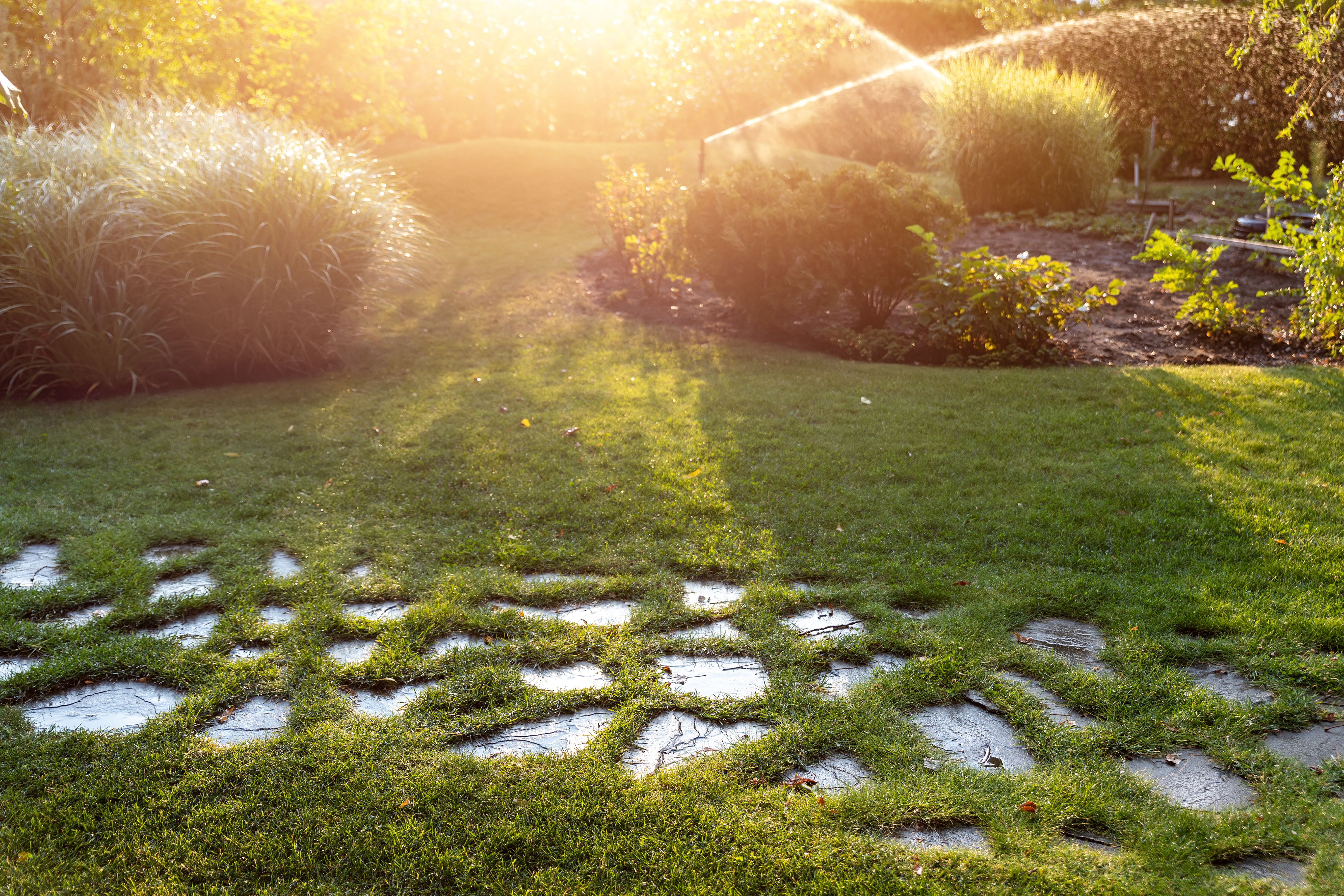
Smart irrigation systems are designed to optimize water usage by adjusting watering schedules based on weather conditions and soil moisture levels. These systems can significantly reduce water waste and promote a healthier lawn.
Conclusion
By understanding and adhering to Minnesota's lawn care regulations, you can ensure that your lawn is not only vibrant and healthy but also compliant with state laws. These guidelines are in place to protect our environment and preserve natural resources for future generations.
Staying informed about these regulations and implementing best practices will not only enhance the beauty of your lawn but also contribute to a healthier community and ecosystem.