
Sustainable Landscaping Trends in Rogers, MN: Making Eco-Friendly Choices


Understanding Sustainable Landscaping
The concept of sustainable landscaping is gaining traction in Rogers, MN, as homeowners and businesses seek to make more environmentally friendly choices. This approach not only benefits the environment but also enhances the aesthetic appeal of properties. Sustainable landscaping involves creating outdoor spaces that are both beautiful and in harmony with the local ecosystem.
Key elements of sustainable landscaping include water conservation, soil health, and the use of native plants. These practices help reduce the environmental footprint and promote a healthier landscape. By embracing these principles, residents of Rogers can enjoy lush gardens while supporting local biodiversity.
Water Conservation Techniques
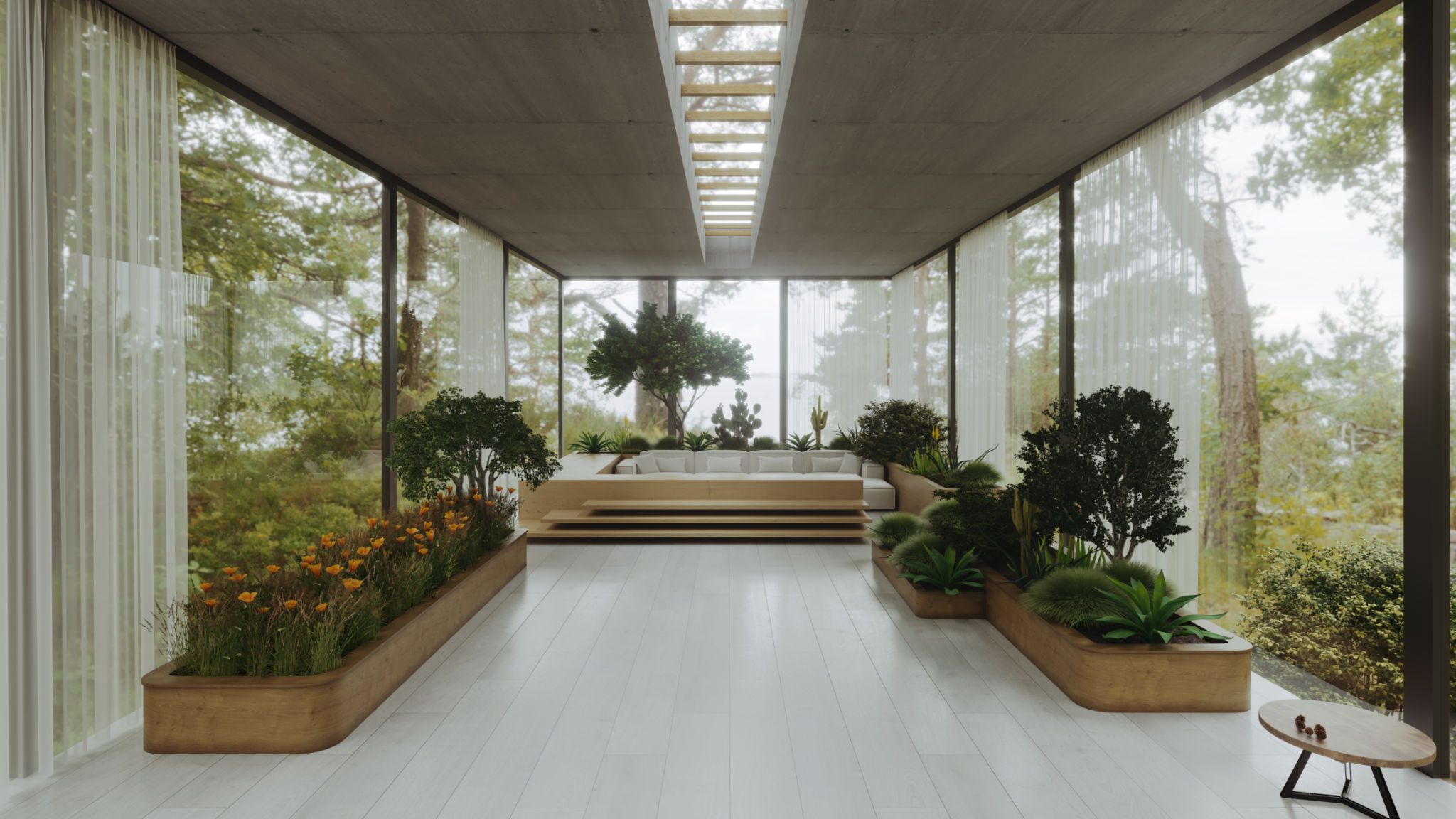
Water conservation is a crucial aspect of sustainable landscaping. In Rogers, where seasonal variations can affect water availability, adopting efficient irrigation methods is essential. One popular technique is drip irrigation, which delivers water directly to the plant roots, minimizing waste.
In addition to efficient irrigation systems, homeowners can install rain barrels to capture and reuse rainwater. This not only reduces reliance on municipal water but also lowers water bills. Incorporating drought-resistant plants can further enhance water efficiency in landscapes.
Embracing Native Plants
Native plants are a cornerstone of sustainable landscaping. These plants are adapted to the local climate and soil conditions, requiring less water and maintenance than non-native species. In Rogers, planting native species such as wildflowers, grasses, and shrubs can create vibrant and resilient landscapes.
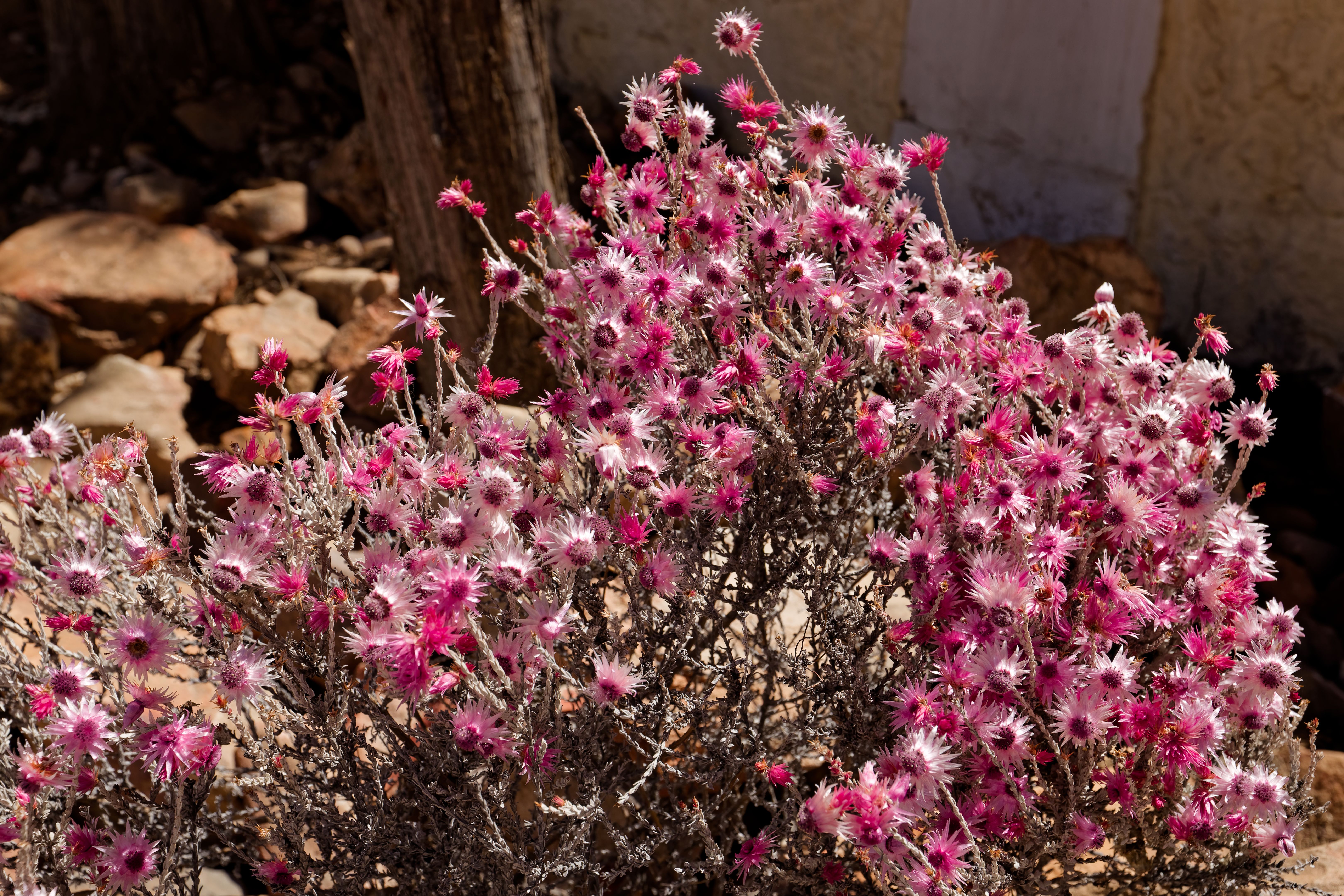
Besides being low-maintenance, native plants provide essential habitats for local wildlife, including pollinators like bees and butterflies. By choosing native plants, residents contribute to preserving the region's natural heritage and biodiversity.
Soil Health and Composting
Healthy soil is fundamental to a thriving landscape. Sustainable landscaping practices emphasize improving soil health through natural methods. Composting is an effective way to enrich the soil with organic matter, enhancing its structure and fertility.
Residents can start composting kitchen scraps and yard waste to create nutrient-rich soil amendments. This practice not only reduces landfill waste but also promotes healthier plant growth without synthetic fertilizers. Mulching is another technique that helps retain soil moisture and suppress weeds.

Creating Wildlife-Friendly Spaces
Sustainable landscapes can serve as sanctuaries for local wildlife. By incorporating elements such as bird feeders, bee hotels, and butterfly gardens, homeowners can attract a diverse range of species to their gardens. This not only enriches the landscape but also supports ecological balance.
- Install bird baths or small ponds to provide water sources for wildlife.
- Use hedgerows or dense shrubs to offer shelter for small animals.
- Opt for organic pest control methods to protect beneficial insects.
In conclusion, embracing sustainable landscaping practices in Rogers, MN, can lead to healthier, more beautiful gardens while reducing environmental impact. By focusing on water conservation, native planting, soil health, and wildlife support, residents can create eco-friendly outdoor spaces that benefit both people and nature.