
Sustainable Landscaping Trends in Rogers: How to Make Your Lawn Eco-Friendly


Embracing Sustainable Landscaping
As concerns about environmental impact grow, many homeowners in Rogers are turning to sustainable landscaping to create beautiful, eco-friendly yards. This trend not only enhances the aesthetic appeal of your property but also contributes positively to the environment. By adopting sustainable practices, you can reduce water usage, minimize chemical applications, and support local wildlife.
Sustainable landscaping focuses on designing and maintaining your lawn in a way that benefits the environment. Whether you're starting from scratch or revamping an existing garden, there are numerous strategies you can implement to make your outdoor space greener.
Native Plants: A Natural Choice
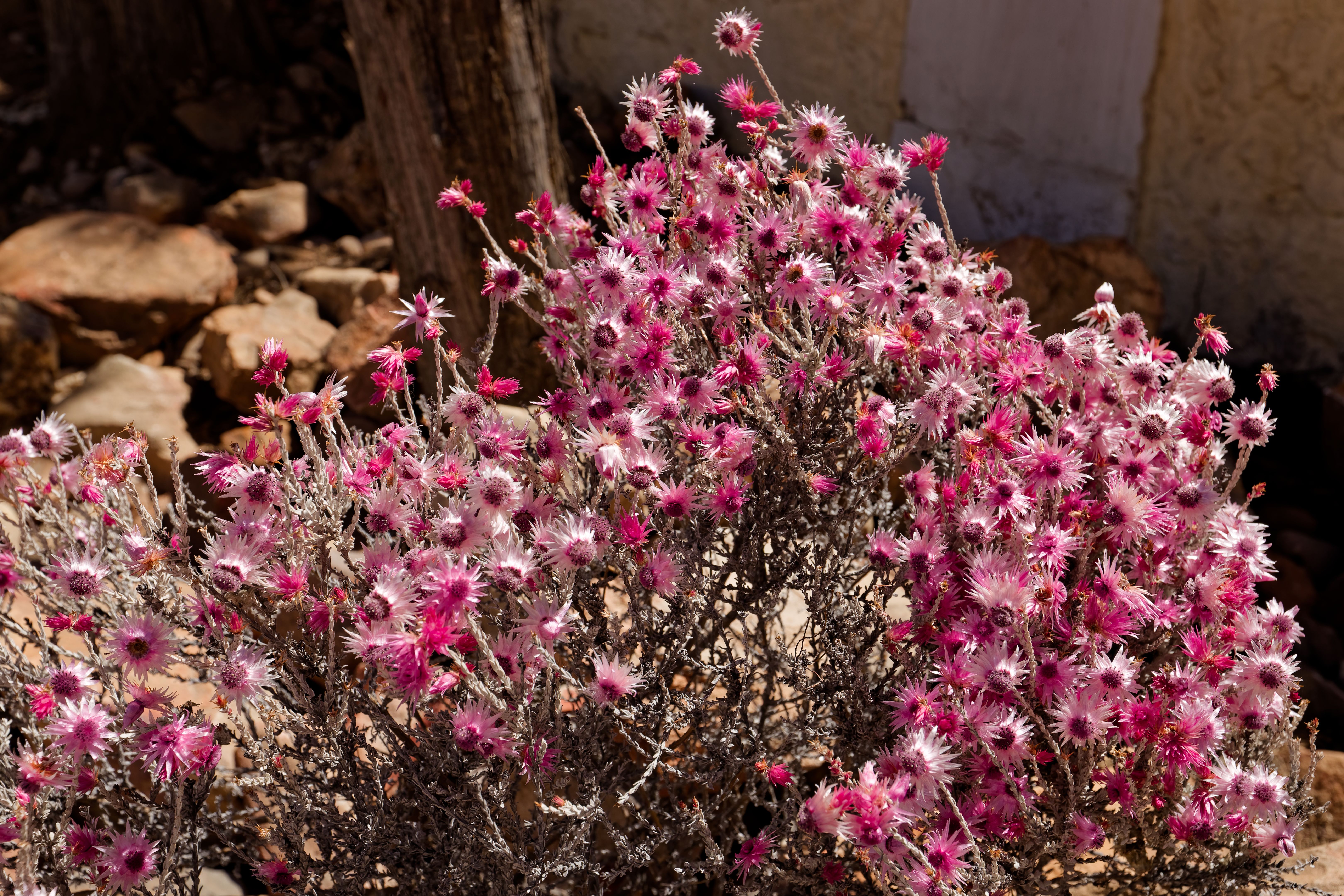
One of the most effective ways to create a sustainable landscape is by incorporating native plants. These are species that have adapted to the local climate and soil conditions, requiring less water and maintenance. By choosing native plants, you can reduce your reliance on artificial fertilizers and pesticides, as these plants are naturally resistant to local pests and diseases.
Additionally, native plants provide essential habitats and food sources for local wildlife, such as birds and pollinators. This creates a balanced ecosystem right in your backyard, promoting biodiversity and supporting the health of local flora and fauna.
Efficient Water Management
Water conservation is a key component of sustainable landscaping. Implementing efficient irrigation systems, such as drip irrigation or soaker hoses, can significantly reduce water wastage. These systems deliver water directly to the plant roots, minimizing evaporation and ensuring that your plants receive the necessary hydration.
Moreover, consider collecting rainwater to irrigate your garden. Installing a rain barrel is a simple and cost-effective way to gather rainwater, which can then be used during dry spells. This not only conserves water but also helps reduce your water bill.

Soil Health and Composting
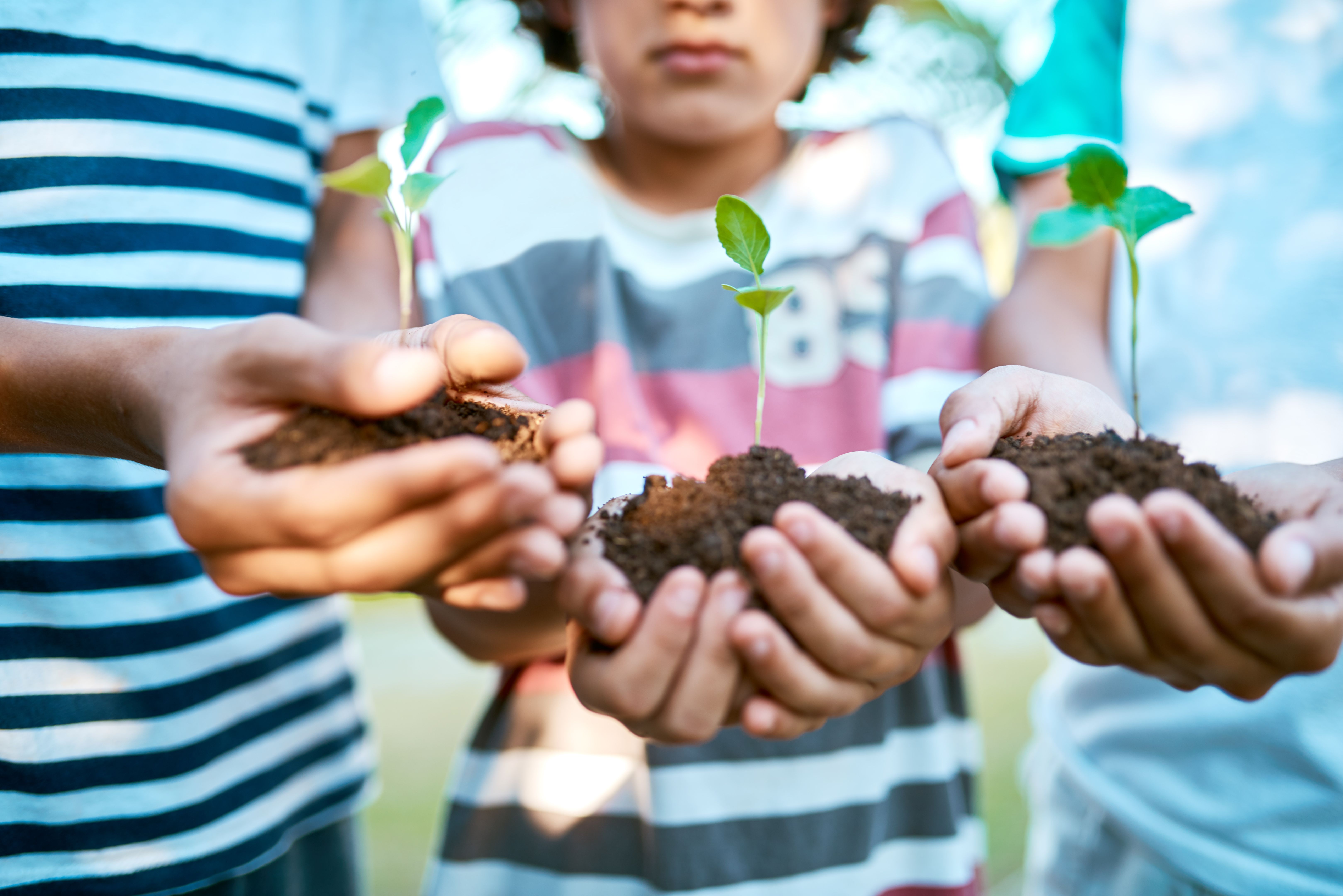
Maintaining healthy soil is crucial for a thriving, sustainable landscape. Healthy soil supports plant growth, retains moisture, and reduces the need for chemical fertilizers. Regularly testing your soil can help you understand its nutrient composition and pH level, allowing you to make informed decisions about soil amendments.
Composting is another excellent way to enhance soil health while reducing waste. By converting kitchen scraps and yard waste into nutrient-rich compost, you can improve soil structure and fertility, providing plants with a natural source of nourishment.
Integrated Pest Management
Integrated Pest Management (IPM) is an environmentally friendly approach to managing pests. It involves monitoring pest levels, identifying beneficial insects, and using targeted interventions only when necessary. This approach minimizes the use of harmful chemicals, protecting both the environment and the health of your family and pets.
Encouraging natural predators, such as ladybugs and birds, can help keep pest populations in check. Planting a diverse range of species will also attract a variety of beneficial insects, contributing to a balanced ecosystem.

Conclusion: A Greener Future
By adopting sustainable landscaping practices, residents of Rogers can create beautiful, eco-friendly outdoor spaces that benefit both the environment and the community. From using native plants to managing water efficiently, there are numerous ways to make your lawn more sustainable.
As these trends continue to grow, embracing sustainable landscaping not only enhances the beauty of your home but also supports a healthier planet for future generations. Consider starting small, making gradual changes, and watching your eco-friendly garden thrive.