
Preparing Your Lawn for Seasonal Changes: A Professional's Insight


As the seasons change, your lawn requires special attention to ensure it remains lush and healthy. Understanding the specific needs of your grass during these transitions can make all the difference. Here, we offer a professional's insight into preparing your lawn for seasonal changes.

Understanding Seasonal Needs
Each season brings its own set of challenges for your lawn. From the scorching heat of summer to the frigid cold of winter, understanding these needs is crucial. For example, during spring, your lawn will benefit from aeration and fertilization to recover from winter dormancy. In contrast, fall is the perfect time to manage weeds and prepare your lawn for the upcoming cold months.
It's essential to know your grass type, as cool-season and warm-season grasses have different requirements. Cool-season grasses thrive in the cooler temperatures of spring and fall, while warm-season grasses flourish in the heat of summer.

Soil Preparation and Maintenance
Proper soil care is the foundation of a healthy lawn. Testing your soil's pH level will help you understand its current condition. A balanced pH ensures that your grass can effectively absorb nutrients. You can adjust the pH by adding lime to increase alkalinity or sulfur to increase acidity.
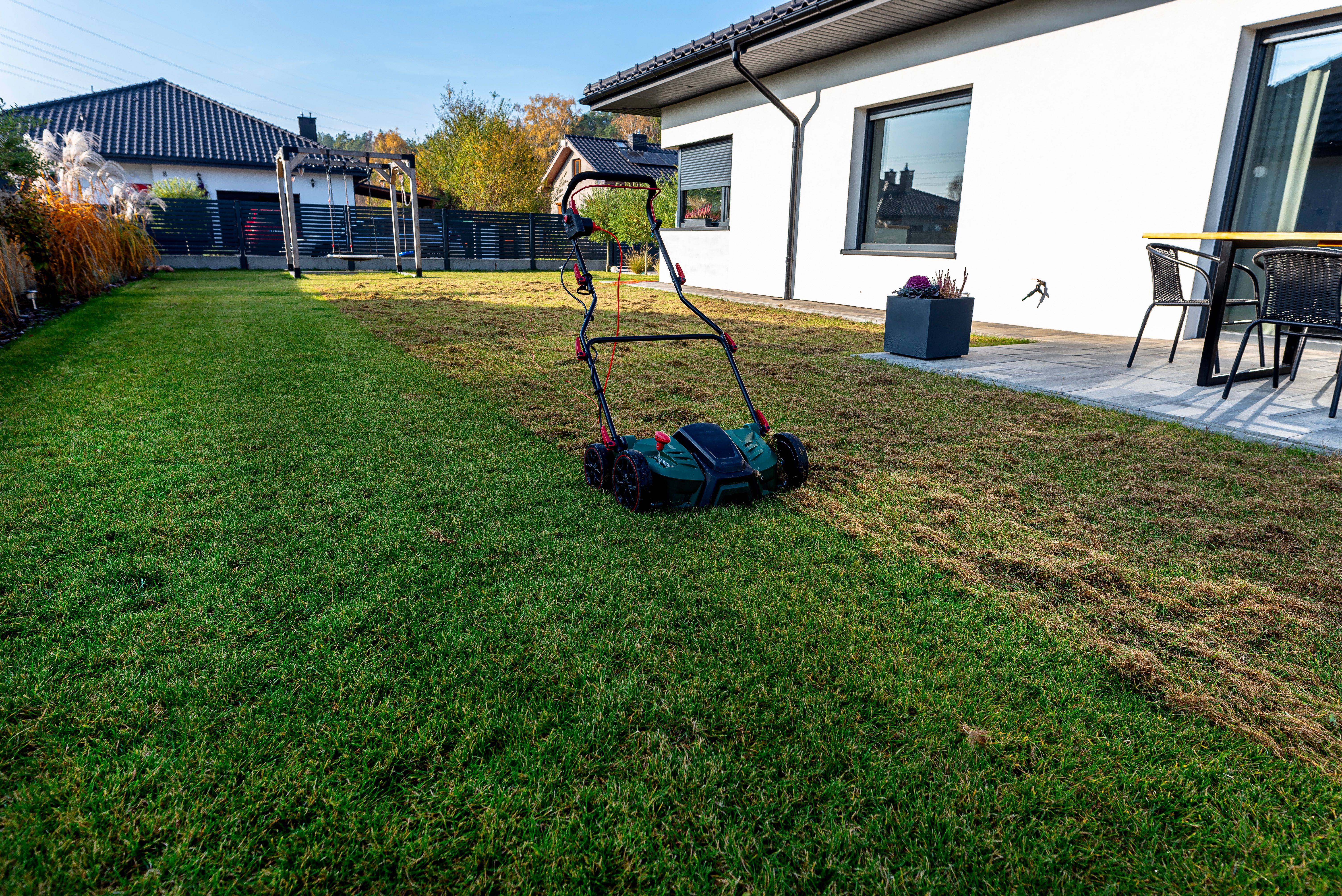
Aeration is another critical step. It helps alleviate soil compaction, allowing nutrients, water, and air to reach the roots more effectively. Consider aerating your lawn at least once a year, preferably in spring or fall.
Watering Techniques
Watering is vital, but it must be done correctly. Adjust your watering schedule based on the season. In summer, your lawn may require more frequent watering, while in cooler months, less is needed. Early morning is the best time to water, as it reduces evaporation and fungal diseases.
Ensure your irrigation system is functioning correctly. A professional inspection can help identify leaks or areas with poor coverage, ensuring your lawn receives the water it needs.
Seasonal Lawn Care Practices
Each season demands specific lawn care practices. In spring, focus on dethatching and applying a pre-emergent herbicide to prevent weeds. Summer requires regular mowing, but it's crucial to avoid cutting the grass too short, as it can stress the lawn.
- Spring: Aerate, fertilize, and apply pre-emergent herbicide.
- Summer: Mow regularly, water deeply, and manage pests.
- Fall: Overseed, fertilize, and control weeds.
- Winter: Minimize foot traffic and clear debris.
Benefits of Professional Lawn Care
While DIY lawn care is possible, hiring professionals offers several benefits. Lawn care experts have the knowledge and tools to address specific issues, ensuring your lawn remains in top condition year-round. They can develop a customized plan tailored to your lawn's unique needs, saving you time and effort.
Investing in professional care can enhance your lawn's appearance, improve its health, and increase your property's value. It also gives you peace of mind, knowing that your lawn is in capable hands.