
How to Choose the Right Lawn Fertilizer for Your Minnesota Yard


Understanding Your Minnesota Lawn
Choosing the right fertilizer for your Minnesota yard starts with understanding your specific lawn needs. Minnesota's climate, characterized by cold winters and warm summers, impacts the type of grass and fertilizer that will work best. Knowing your grass type—whether it's Kentucky bluegrass, perennial ryegrass, or fine fescue—can guide your fertilizer selection.

Soil testing is a crucial step. It helps determine the pH level and the presence of essential nutrients. You can obtain a soil test kit from local garden centers or contact your county extension office for assistance. This information will help you choose a fertilizer with the right nutrient balance.
Types of Fertilizers
Fertilizers come in various formulations, each suited for different lawn needs. Here are the main types:
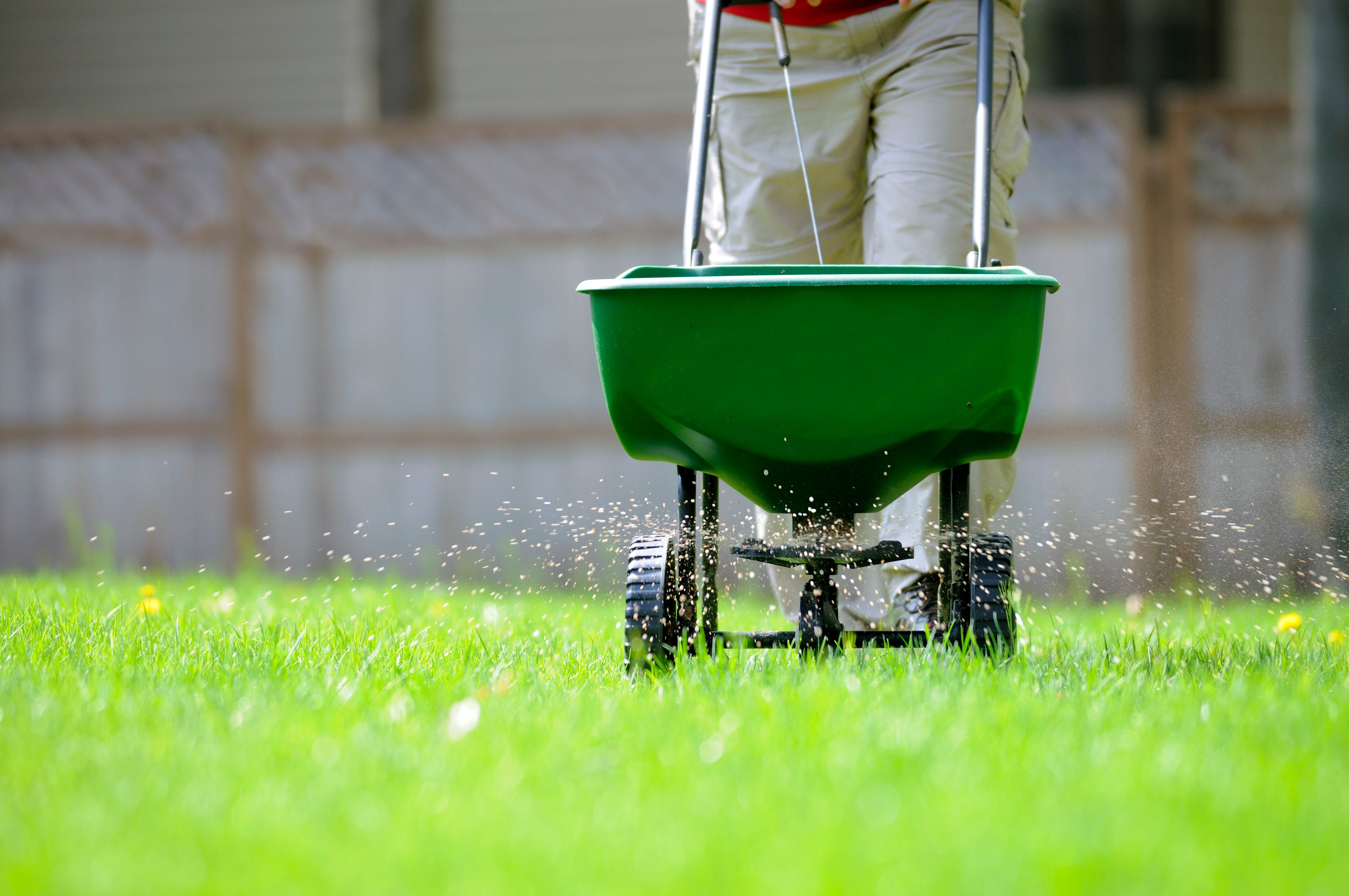
- Granular Fertilizers: These are easy to apply and provide a slow release of nutrients.
- Liquid Fertilizers: They offer a quick nutrient boost and are suitable for immediate results.
- Organic Fertilizers: Made from natural sources, they improve soil health over time.
Nutrient Composition
Fertilizers are labeled with three numbers, representing the percentage of nitrogen (N), phosphorus (P), and potassium (K). Each nutrient plays a specific role:
- Nitrogen (N): Encourages lush, green growth.
- Phosphorus (P): Supports root development and overall plant health.
- Potassium (K): Enhances disease resistance and drought tolerance.
For Minnesota lawns, a balanced fertilizer with a higher nitrogen content is often recommended, especially in the spring and fall.
Seasonal Considerations
The timing of fertilizer application is crucial for optimal results. In Minnesota, the best times are usually early spring and fall. Early spring applications help jump-start growth, while fall fertilization prepares the lawn for winter dormancy.
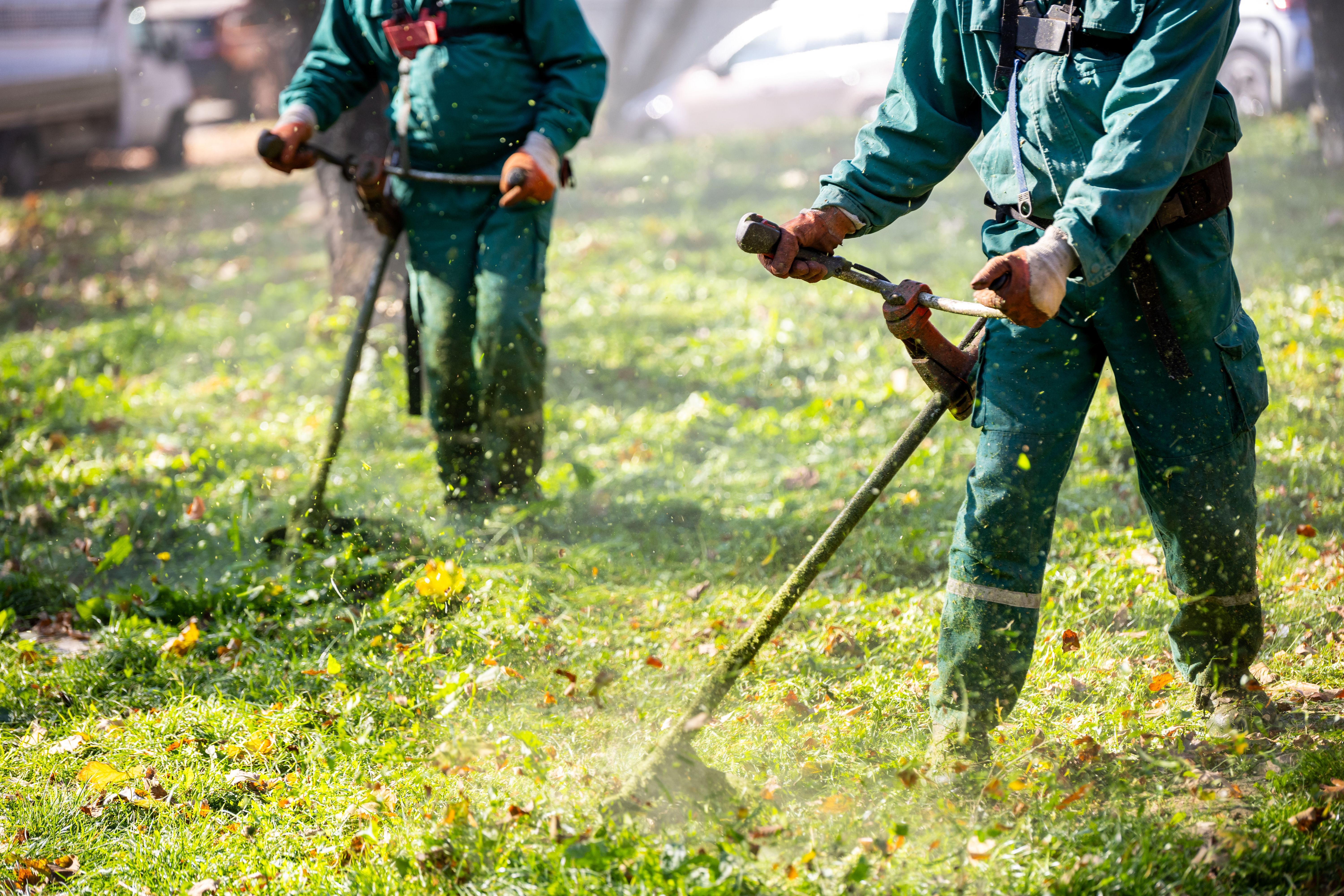
It's important to avoid fertilizing during the hot summer months, as this can stress the lawn and lead to damage. Always follow the manufacturer's instructions on the fertilizer package for the best results.
Environmental Impact
When choosing a fertilizer, consider the environmental impact. Opt for phosphorus-free options if your soil test shows adequate phosphorus levels, as excess phosphorus can contribute to water pollution. Many Minnesota regions have restrictions on phosphorus use due to environmental concerns.
Utilize organic fertilizers to reduce chemical runoff and enhance soil health. These options are eco-friendly and support sustainable lawn care practices.
Conclusion
Selecting the right fertilizer for your Minnesota yard involves understanding your lawn's unique needs, choosing the appropriate type and formulation, and considering seasonal timing and environmental impact. By following these guidelines, you can maintain a healthy, vibrant lawn year-round.