
Eco-Friendly Lawn Solutions for Minnesota Homes: Sustainable Practices


Introduction to Eco-Friendly Lawn Care
Maintaining a lush, green lawn is a dream for many homeowners in Minnesota. However, achieving this can often come at a significant environmental cost. Traditional lawn care methods can lead to water waste, chemical runoff, and soil degradation. Fortunately, there are sustainable practices that can help you maintain a healthy lawn while being kind to the planet.
Choosing the Right Grass
One of the first steps in creating an eco-friendly lawn is selecting the right type of grass. In Minnesota, cool-season grasses are ideal due to their ability to thrive in the region's climate. Consider varieties such as Kentucky Bluegrass, Perennial Ryegrass, and Fine Fescue. These grasses are not only resilient but also require less water and fertilizer.
Native grasses are another excellent option. They are adapted to local conditions and require minimal maintenance. By choosing the right grass, you can significantly reduce the need for chemical inputs and irrigation.
Water Conservation Techniques
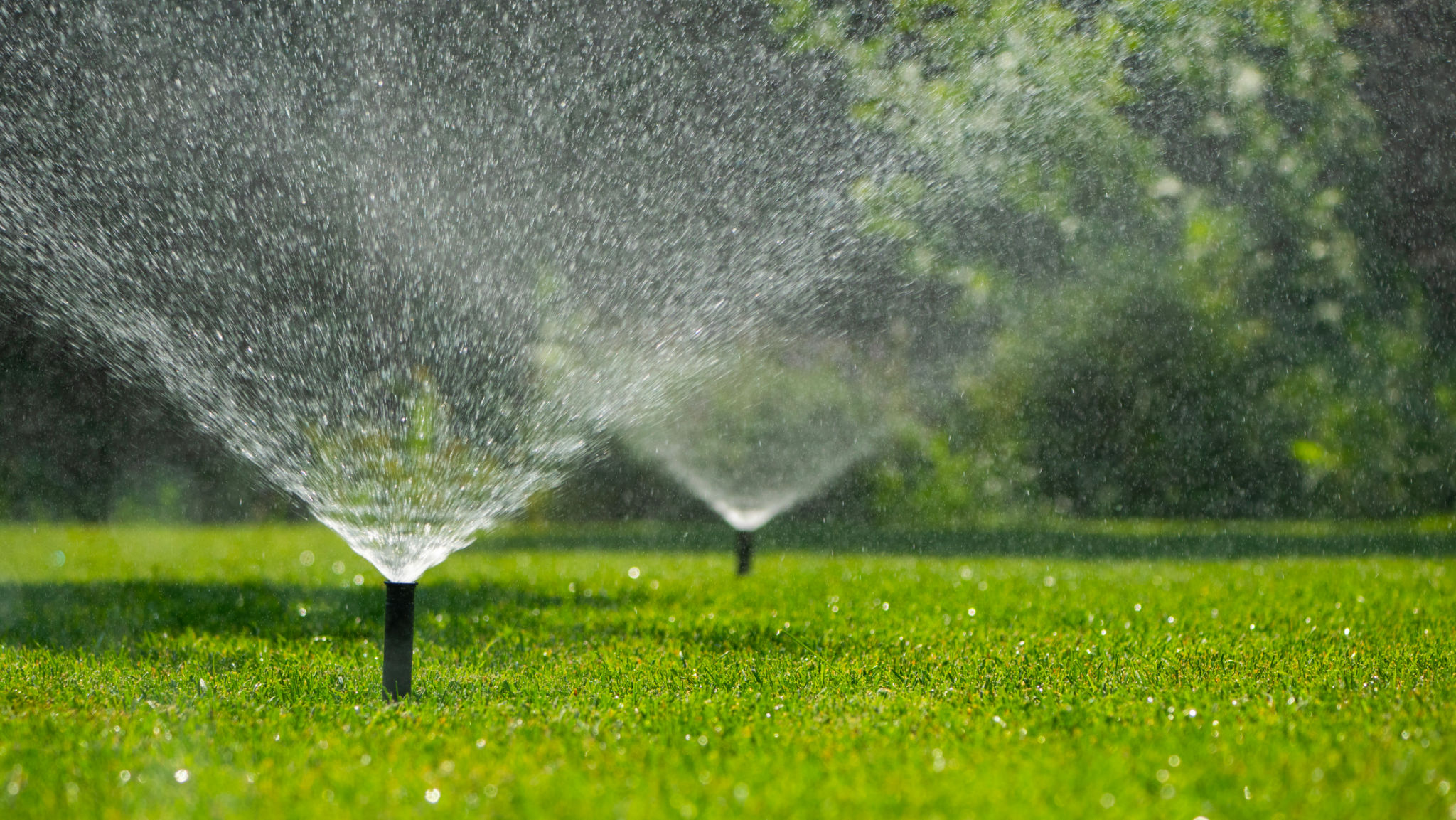
Watering your lawn efficiently is crucial for sustainability. Overwatering not only depletes water resources but can also lead to lawn diseases. Implementing smart watering practices can make a significant difference:
- Water early in the morning to minimize evaporation.
- Use drip irrigation systems to target plant roots directly.
- Install rain sensors to prevent watering after rainfall.
Soil Health and Composting
Healthy soil is the foundation of a sustainable lawn. Regularly aerating your soil can improve its structure and enhance water absorption. Additionally, composting is an excellent way to enrich your lawn with organic matter.
By adding compost, you can improve soil fertility, reduce the need for chemical fertilizers, and promote beneficial microbial activity. Consider starting a compost pile with kitchen scraps and yard waste to create a natural, nutrient-rich soil amendment.
Natural Pest Management
Traditional pesticides can harm beneficial insects and lead to environmental damage. Instead, explore natural pest management strategies. Introducing beneficial insects like ladybugs and lacewings can help control pest populations naturally.
Additionally, maintaining a diverse ecosystem in your yard by planting a variety of plants can attract pollinators and other helpful wildlife, contributing to a balanced and healthy lawn.

Conclusion: Embrace Sustainability
Transitioning to eco-friendly lawn care practices is not only beneficial for the environment but can also enhance the beauty and resilience of your lawn. By choosing the right grass, conserving water, improving soil health, and managing pests naturally, you can create a thriving landscape that supports the local ecosystem.
Embrace sustainable practices, and enjoy a beautiful lawn that aligns with your environmental values. Together, we can make a positive impact on our planet, starting right in our own backyards.