
DIY Lawn Care Tips: Simple Practices for a Beautiful Yard


Understanding Your Lawn
To achieve a beautiful yard, it's crucial to understand the type of grass you have. Different grass types have unique needs in terms of water, sunlight, and nutrients. Identifying whether you have cool-season or warm-season grass will help tailor your lawn care practices effectively.
Consider factors such as climate and soil type to better assess what your lawn needs. A soil test can provide valuable insights into nutrient deficiencies and pH levels.
Mowing Techniques
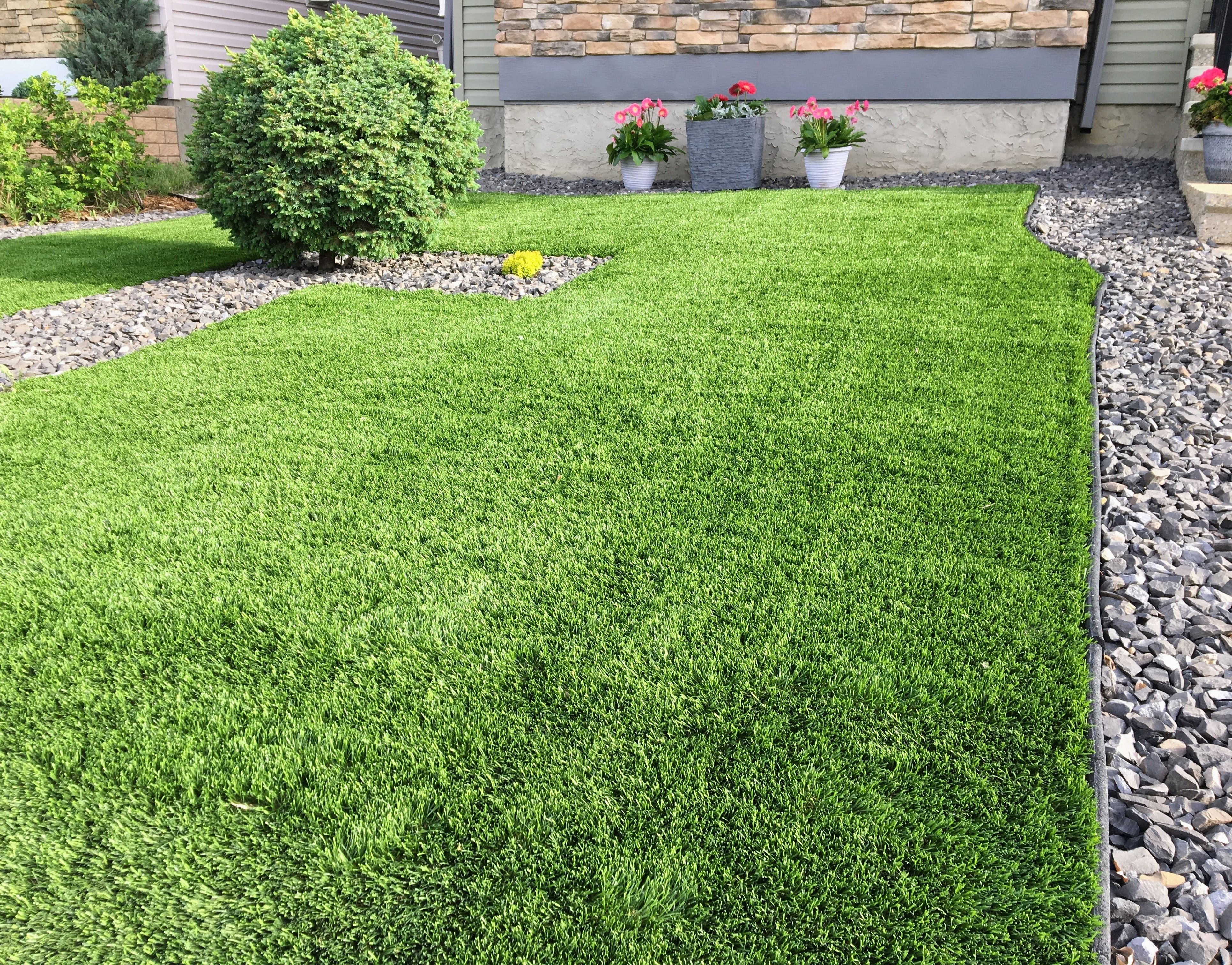
Mowing is not just about cutting grass; it's about doing it right. Always keep your mower blades sharp to ensure a clean cut. Dull blades can tear the grass, leading to ragged edges and increased susceptibility to disease.
Mow at the correct height for your grass type. Generally, keeping the grass a bit longer helps shade the soil, retaining moisture and reducing weed growth. Avoid cutting more than one-third of the grass blade at a time.
Regular Maintenance
Consistent mowing is key to a lush lawn. Set a schedule based on your grass type and growth rate. Regular maintenance not only keeps your yard looking neat but also encourages healthy growth.
Watering Wisely
Watering is a critical component of lawn care. Early morning watering is ideal, reducing evaporation and allowing the grass to dry before nightfall, which helps prevent disease. Deep and infrequent watering encourages deep root growth.
Monitor rainfall and adjust your watering schedule accordingly. Overwatering can be just as harmful as underwatering, leading to shallow roots and increased vulnerability to disease.
Fertilizing for Growth
Proper fertilization provides essential nutrients that promote healthy grass. Choose a fertilizer based on your soil test results. A balanced fertilizer with equal parts nitrogen, phosphorus, and potassium typically works well for most lawns.

Timing Your Fertilizer
Timing is everything with fertilization. Apply fertilizer during the active growing season of your grass type. For cool-season grasses, this is typically in early spring and fall. Warm-season grasses benefit from fertilization in late spring and summer.
Weed and Pest Control
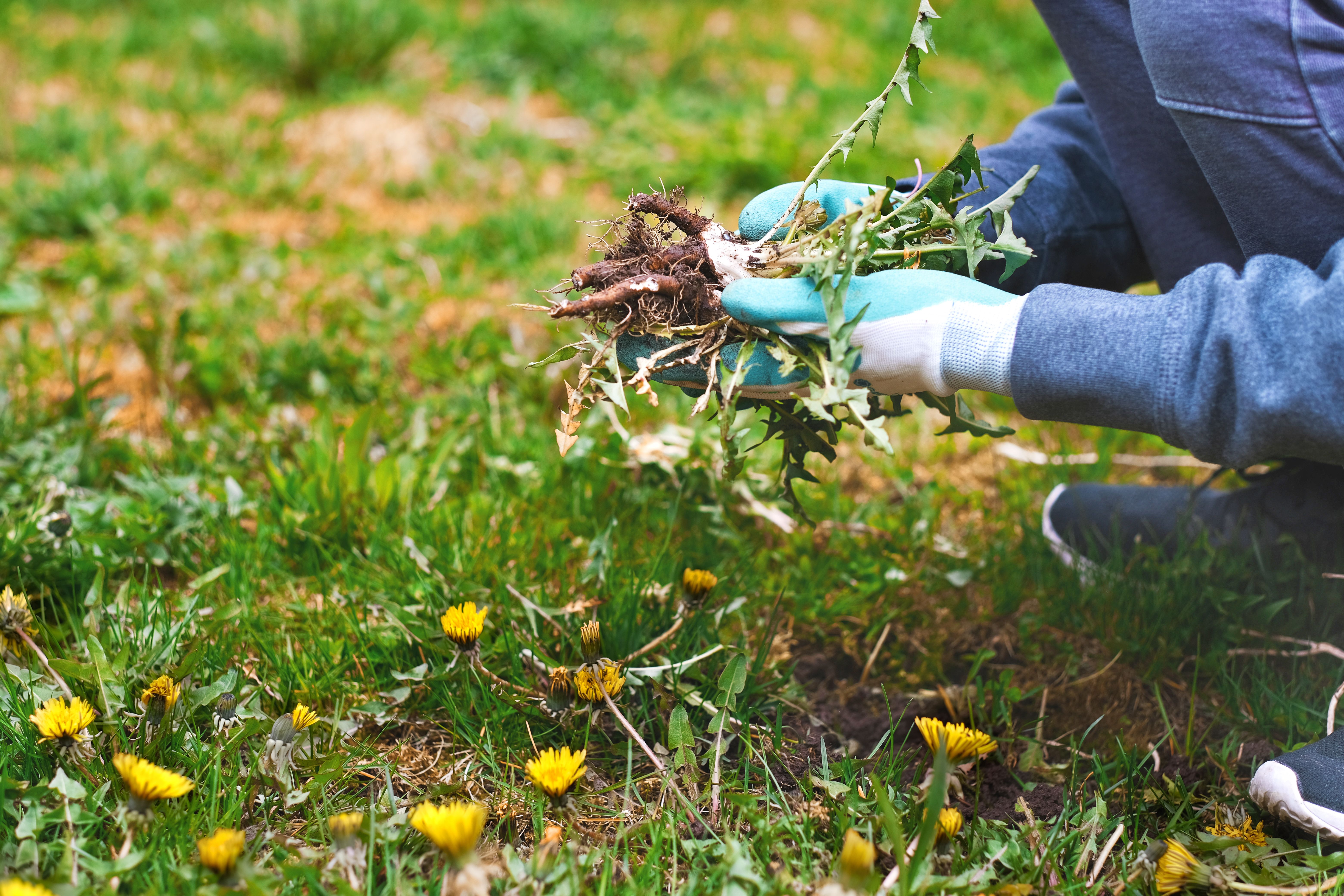
Weeds and pests can quickly take over a yard if not managed properly. Use a combination of pre-emergent and post-emergent herbicides to control weeds. Natural options like corn gluten meal can also prevent weed growth.
For pests, identify the issue early and apply appropriate treatments. Beneficial insects and organic pest control methods can be effective and environmentally friendly options.
Final Thoughts
With these simple DIY lawn care tips, you can transform your yard into a beautiful, healthy space. Regular care and attention to detail will yield the best results, providing you with a lush lawn to enjoy year-round. Remember, a little effort goes a long way in maintaining your outdoor oasis.